Conversion Rate Optimization with AI Solutions in Mobile Apps

Learn how AI can dramatically boost your mobile app conversion rates.
Primary AI technologies for optimizing conversions in mobile apps
Conversion Rate Optimization (CRO) has always been an elusive piece of the marketing puzzle for many businesses, and it’s no different with mobile apps. But, with AI finding its way into virtually every industry, big brands have started using it for a healthier mobile app conversion rate, and they’ve been quite successful.
But, how does this happen? And, is it sustainable? Let’s see.
Artificial Intelligence has been a game-changer in mobile app development, and it has made conversion an achievable dream for many. It’s mainly thanks to the following technologies:
- NLP-powered VAs and chatbots. NLP makes it easier for people to connect with mobile apps by letting them easily understand and react to user input. NLP-powered chatbots and virtual assistants help users in real time, answer their questions, and show them how to use the app. This instant, personal support elevates user satisfaction and conversion by simplifying the user journey.
- Sentiment analysis via deep learning. AI is used in sentiment analysis to read and understand how people feel and what they say in reviews, comments, or social media. Apps may better meet user expectations by analyzing user sentiment and adjusting content and interactions accordingly. For example, if the analysis shows that people are unhappy with a certain feature, developers can quickly fix the problem, making users happier and more likely to convert.
- AI-based A/B testing. With AI-powered automatic A/B testing, it’s easier to see which versions of app features or content work best by quickly comparing the two. By swiftly and accurately looking at how users respond, AI can suggest the best changes that will get more people to connect and buy, making sure that the app is always changing to meet user needs.
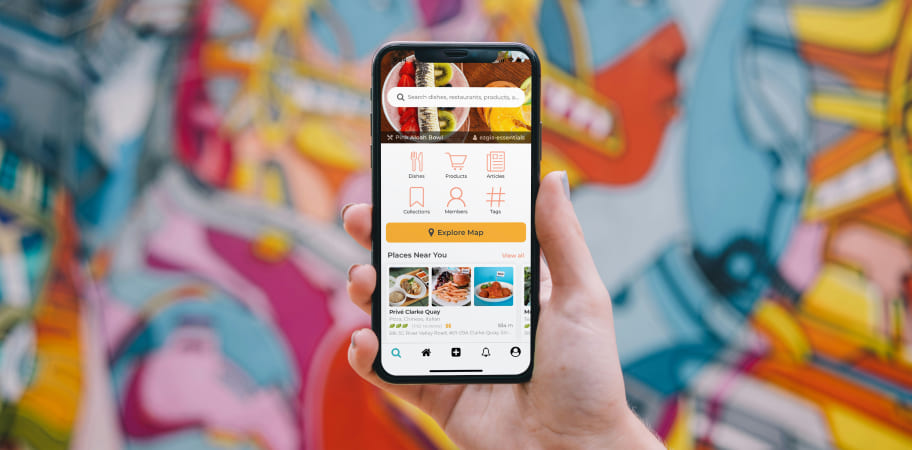
How AI personalization strategies enhance user engagement and conversion rates in mobile apps
When it comes to optimizing conversion, AI can take personalization to another level and maximize user conversion. But, how does this happen?
- Personal behavior tracking. AI-driven personalization divides users into groups based on how they behave, which makes marketing more targeted and precise. Promos and materials are only shown to users who are most likely to respond positively. For example, a fitness app can send personalized exercises and promotions to active users, boosting the chances for conversion.
- Personalized UIs. Thanks to AI, the user interface (UI) may adapt in real-time to the way users interact with it. For instance, an e-commerce app can show users more goods or groups based on what they’ve looked at before. By making it easier to find relevant information and make browsing easier, flexible user interfaces lower complexity, boost user happiness, and boost conversion rates.
- Tailored recommendations. For real-time suggestions that are useful to the user, AI looks at info like location, time of day, and current trends. For instance, during the middle of the day, a food service app might offer lunch choices. These quick and relevant suggestions keep users interested and raise conversion rates.
Main Features in Implementing AI Solutions for Conversion Optimization in Mobile Apps
AI is the key to the dilemma of CRO and mobile devices. AI tools and software solutions rely on several core features to make this happen, including:
- Predictive analytics. Using past data, AI-powered predictive analytics could predict how users will behave and what they will like. Apps may increase the possibility of conversions by proactively offering relevant material or features by analyzing trends and patterns, which allows them to anticipate user demands. Using predictive analytics, we can improve user journeys and direct users to achieve our goals, leading to increased conversion rates.
- Personalization at scale. Machine learning algorithms provide content filtering algorithms and tailored recommendation engines, allowing for large-scale personalization. By analyzing user data, these algorithms provide hyper-targeted suggestions and tailored content, which increases conversion rates and user engagement.
- A/B testing and optimization. To automate the examination of test data and discover statistically significant changes, A/B testing and optimization make use of Machine Learning techniques. In order to determine what aspects of an app generate more conversions, these algorithms examine how users react to different versions of the app’s features or content.

AI analytics vs traditional analytics in identifying user behavior patterns and preferences
AI-powered analytics and traditional techniques are at opposite ends of the spectrum when it comes to user behavior analysis. Each offers a different way to understand user habits and preferences. Let us look at the big differences:
Historical vs real-time analysis
When analyzing data on user activity, traditional analytics employ crude statistical approaches and established criteria. A lot of the time, descriptive statistics and easy regression analysis are used to find broad patterns and connections in the data. However, AI systems analyze data in real-time and respond dynamically to optimize conversions in mobile apps.
Granularity
In comparison to more conventional analytics approaches, AI-powered analytics provide finer details about user activity. Unlike more conventional methods of data analysis, machine learning algorithms are able to spot even the tiniest connections and patterns in large amounts of data. User engagement and conversion rates are both enhanced by the granularity that enables more focused interventions and individualized suggestions.
Data complexity
The ability of AI-powered analytics to handle complexity and scale makes it a good fit for studying varied and massive datasets. To derive useful insights, machine learning algorithms are able to interpret complicated data formats including text, photos, and human interactions. Because of the sheer amount and diversity of data produced by today’s mobile applications, traditional analytics may not be able to adequately capture complex patterns of user activity.
Predictive capabilities
Whereas standard analytics looks at past user behavior, AI-powered analytics is much better at predicting the future. The application of machine learning models in AI analytics allows apps to anticipate user demands and customize experiences based on previous behavior, effectively forecasting future actions. By using this predictive strategy, proactive measures like targeted marketing campaigns or tailored suggestions may be used to boost user engagement and conversions.

Machine learning’s role in predicting user actions and optimizing the user journey in mobile apps
So, we know that AI excels at predictive analysis. A major part of this core ability goes back to machine learning, which helps optimize the user journey in different ways.
Understanding user intent
In order to discover hidden preferences and trends, machine learning algorithms examine how users interact with mobile applications. With a keen eye for details, ML models can deduce user intent from their browser history, session length, and interactions with certain features. The results are impressive. By anticipating the user’s needs and delivering material or features that are relevant to them, applications may personalize the user experience and increase engagement and conversions.
Anticipating user needs
Before a user even says what they need, machine learning models fed past data may guess what they might want. Utilizing predictive analytics, applications for mobile devices can predict user behaviors including product searches, content consumption, and purchase decisions. With this kind of predictive intelligence, applications may optimize conversion rates by streamlining the user experience and delivering tailored suggestions or offers at the perfect time.
Dynamic pricing
With the help of ML models, applications can anticipate how users will react to price changes, allowing them to optimize revenue with dynamic pricing methods that keep users happy. By providing customers with competitive pricing that is personalized to them, this dynamic pricing optimization improves the user experience and leads to increased conversion rates and revenue.

Three effective AI tools for mobile app conversion optimization
Now, what are the best AI tools or platforms on the market that can effectively utilize these technologies to boost conversion? And how do they do it? Three tools stand out in particular:
- Firebase
With Firebase, a full-stack platform for analytics and mobile app development, you can learn how users interact with your app and how to improve their experience.
How it boosts conversion:
- Analytics: the capability to monitor user interactions and find conversion windows via robust analytics.
- Remote config: experimenting dynamically with app settings in real-time to maximize user engagement.
- Google Analytics integration: seamless integration with Google Analytics for advanced mobile app analytics.
- Smartlook
You can learn a lot about how people use mobile applications using Smartlook, an analytics tool for user behavior.
How it boosts conversion:
- Session recordings: record and play back user sessions to learn their habits and find issues.
- Heatmaps: visualizing how users interact with app features can help you find places where the app could be better.
- Event tracking: you may monitor user engagement and conversion metrics by tracking their activities and events.
- Heap
To optimize the user experience, Heap automatically records user interactions and offers insights into user behavior.
- Auto-capture: it records user activities automatically, eliminating the need to keep track of each one manually.
- Retroactive analysis: this feature lets developers examine past user data and define events.
- Conversion attribution: you can see how well certain marketing channels and campaigns are doing at generating conversions, and which brings the most customers.

How to ensure the ethical use of AI in optimizing conversions without compromising user privacy
So, there’s little doubt about the impact of AI on mobile app conversion numbers. But, without a calculated implementation plan, you may end up breaching user privacy and doing more harm than good.
So, what do you need to watch for?
- Data transparency. Provide clear and short descriptions of how you collect and use user data to improve conversions. Also, make sure users know exactly what AI algorithms and methods were used so they can understand how their data affects the app experience.
- Ethical development. Adopt ethical AI development models and standards to make sure that conversion improvement efforts that use AI are fair, clear, and accountable. Review and evaluate AI models regularly for possible flaws or unfair outcomes, and take steps to reduce these risks.
- Full compliance. Follow the changing rules and regulations for data protection and using AI in mobile apps. To protect users’ privacy rights, make sure that you follow the rules that apply, like GDPR, CCPA, and other regional privacy laws.

Examples of successful case studies where AI significantly improved conversion rates in mobile apps
Big brands are always using the best cutting-edge tools to gain an edge in their industries, and AI is no different. Sephora, FedEx, and Nike are some successful examples.
- Sephora’s virtual artist. Sephora’s mobile app has an AI-powered Virtual Artist that lets users try on makeup online. The AI suggests unique styles and goods by looking at facial features and personal tastes. This creative use of AI has not only made users more interested, but it has also greatly increased conversion rates since users are more sure of their purchases after virtually trying on the products.
- FedEx’s predictive analytics. One way to assess client retention is using data from predictive analytics. They say they can do this very accurately with this data because it helps them find people who might leave FedEx for a competitor. The data from the prediction analysis shows exactly what causes some groups to split up. If a business has this information, it can then tailor its messages and efforts to keep those people from moving on.
- Nike’s AI personalization. Nike combines predictive analytics, AI-based data, and AR to offer its consumers cutting-edge customer-centric service.
They have a flagship shop in New York City and another in Tokyo where consumers may personalize their shoes to their heart’s content and then put them on in just a few hours! This is a sure way to boost conversions.
Conclusion
AI can do wonders for mobile app conversion and engagement, no doubt about it. But, navigating the implementation process and regulations can be a bit tricky as it requires experience, expertise, and infrastructure.
Your best chance is to partner with a reliable provider that has an excellent track record in this field, and we at TRIARE check all the boxes. We’ve put many apps on the map, and it’s time for yours. Just get in touch and let’s get started.