Software Discovery Phase Explained
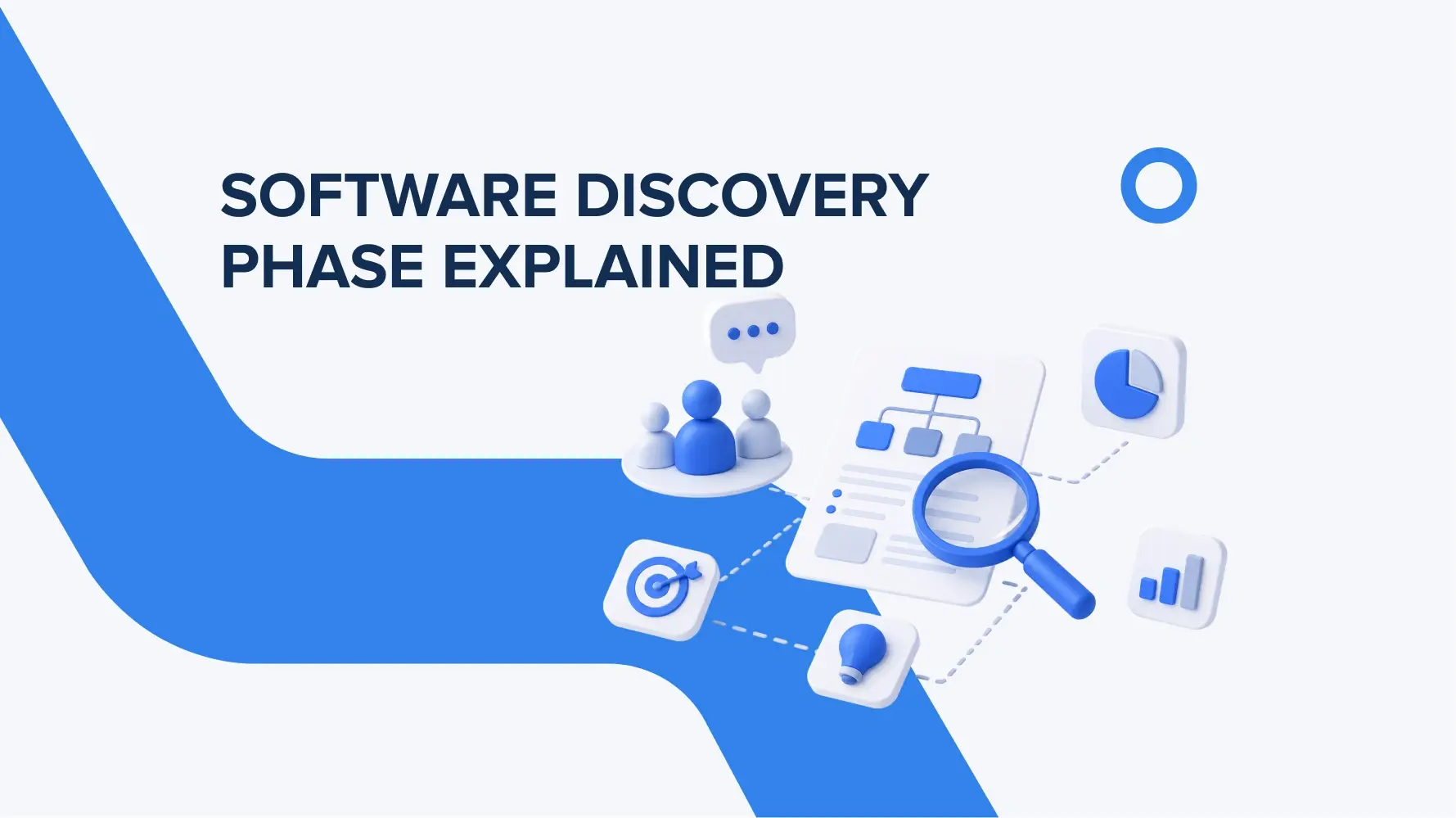
Software discovery phase explained
The software development discovery phase is the first stage before development, where the team and a client together define exactly what needs to be built, what business problem the product should solve, and the best way to bring it to market.
The software discovery phase service’s primary aim is to reduce all uncertainties during the next stages, unify business expectations with technical possibilities, and finally create a clear plan for the product realization. This approach translates into defined business and technical requirements, a prioritized list of features, an architectural concept, UX/UI solutions, the development costs and timelines, and a detailed project roadmap. That’s what creates a solid foundation for successful software development – a clear vision of the final result, fewer surprises along the way, and fewer resources (time, money, tools) wasted.
That’s exactly how the TRIARE team approached the discovery stage during Stadami app development. Here, we explored the client’s ideas and added new ones from our experts, based on market analysis and trends in the sports industry. Once the main direction was clear, we defined tasks for the first release and future updates. Thanks to this approach and deep research before the development itself, the client got a fully functional, autonomous system that is live and receiving its first positive user feedback.
Why is discovery important before development?
Because the discovery phase in software development is a guide that affects the final product’s success. It transforms unclear client requirements and a general product idea into logical steps that the development team should take to create what the client needs. Following this approach, you get a realistic development plan, an accurately estimated budget and timeline, and avoid costly changes.
What’s more, the discovery phase helps evaluate the product idea’s viability before breaking the bank for development and design. By doing this, companies can focus on the features that create business value, instead of wasting money on things that aren’t important.
What happens during a discovery phase?
During the discovery phase for software development, the dedicated development team dives deep into all your business aspects, industry trends, and user needs research to turn a business idea into a clearly structured development plan.
The process includes these steps:
– Business goals and requirements analysis (the business problem the product should solve and the outcomes it must deliver).
– User and market research (target audience, competitors, and market trends).
– Functional requirements (the core features, their prioritization, key use cases, and the project scope)
– Technical planning (technologies, integrations, technical constraints).
– UX/UI concept (user flows, information architecture, wireframes, and interactive prototypes).
– Budget, timeline, and risk assessment.
What deliverables should a company expect?
The result of the discovery phase is a set of materials that create the base for further development. They combine the whole product development roadmap from the first step to the final one before the launch. The set of documents varies from product to product as they differ by type and come with different complexities. But in a common scenario, this list includes:
– A product requirements document with the business goals, functional requirements, key features, user scenarios, and core business logic.
– A prioritized product backlog or roadmap that organizes features by priority and planned development phases.
– A UX/UI concept, including user flows, wireframes, and early design concepts.
– A technical architecture proposal describing the tech stack, system architecture, integrations, and key technical decisions.
– A preliminary budget and timeline estimate based on the project scope, feature complexity, and the resources needed for development.
How long does discovery usually take?
There’s no fixed duration for the discovery phase. It depends on the project complexity, the number of features, integrations, and design expectations. Typically, it may cover 2-6 weeks. For simple and MVP projects, it may take 1-2 weeks. SaaS platforms and scalable corporate systems with complex integrations may require 6-8 weeks or more.
Conclusion
The discovery phase is your investment in high-quality planning. Analyzing and preparing beforehand helps avoid costly changes during development and improves budget and timeline estimates. Overall, it supports successful software development with minimum risks.