Android or iOS: How to Choose the Right Platform
Should you develop your business app for Android or iOS? Let’s find out.
Android or iOS. The most popular platforms for business
In the ever-changing world of mobile app creation, picking between the iOS and Android platforms means figuring out how to work in two different environments with their own rules. The choice affects not only the development process but also the user experience, the ways the product is sold, and the way it is designed.
Of course, with all the differences between the two platforms, there’s no right or wrong choice across the board. In all cases, businesses have to look at their specific situation and then weigh the pros and cons of each platform to see which fits their purpose. In many cases, it’s even better to go for both of them.
To help make the decision a bit easier, we’ll take a look at both platforms and their differences.
Android and iOS are the best tools for business, and their wide use has captured the attention of people all over the world. People with greater resources tend to like iOS because it is known for being secure and easy to use. On the other hand, Android’s ability to work on a wide range of devices makes it appealing to a larger audience.
When companies want to reach as many people as possible, they often try to build apps for Android and iOS. This is because they know how important it is to meet the needs of both groups of users. The fact that Android and iOS allow businesses to consider a simultaneous Android and iOS app development approach.
Understanding the Differences between iOS and Android App Development
iOS and Android, the two dominant mobile operating systems, diverge significantly in app development. There are several key distinctions between Android app development vs iOS app development:
| Difference | Description |
| Programming Language | One big difference is the computer languages used. Swift or Objective-C are mostly used to make iOS apps, while Java or Kotlin are mostly used to make Android apps. This difference also shows up in the development tools, with Apple’s Xcode for iOS and Google’s Android Studio, each designed to work with a specific ecosystem. |
| User Interface Design | Another difference is the design guidelines for the user interface (UI), which show how Apple and Google like to style and organize their websites. iOS apps tend to have more consistent and standard designs, with a focus on making the user experience smooth and easy to use. Android apps, on the other hand, use a design theory that is more flexible and open to change, which gives them more control over style and look. |
| App Distribution | Different stores sell different kinds of apps. For iOS apps, only the Apple App Store is available, and for Android apps, only the Google Play Store. Different apps have different review methods and rules, which affects the makers’ experiences. |
| Fragmentation | Fragmentation is a big problem for Android developers because there are so many device makers and screen sizes. They need to be more flexible in how they do things. On the other hand, the iOS world is more organized and constant. |
In the end, the final decision about Android and iOS app development relies on things like the community you want to reach, the resources you have available, and your style tastes.
Which business is best suited for an Android app and why?
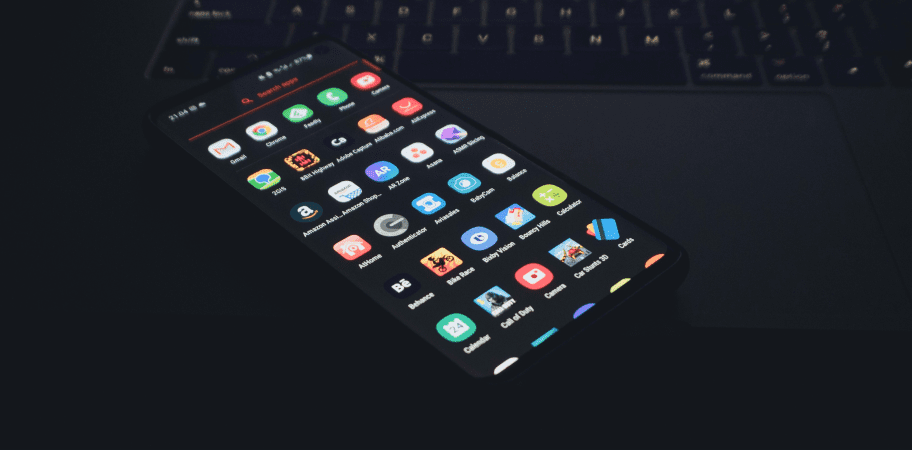
A business that wants to reach a wide range of people should make an Android app. Because Android phones come in a wide range of prices, it has a market penetration that can’t be beat. Industries like e-commerce, where usability is very important, gain from Android’s wide use, making sure that a lot of people can use their services. Also, because Android is open source, companies that need to be able to customize their products, like those in the tech and service industries, can easily make apps that fit their needs.
Android is also adaptable to areas with new markets, which makes it a smart choice for companies that want to do business around the world. It works with many devices, like smartphones and computers, which increases the number of possible customer interactions. Businesses that focus on advertising and social media use Android’s market share to get the most publicity, reaching a wide range of people to promote their brands effectively. An Android app is the best choice for companies that want to be open to everyone, make things their own, and reach customers all over the world. They can use the huge environment to connect with a wide range of customers.
Which business is best suited for an IOS app and why?
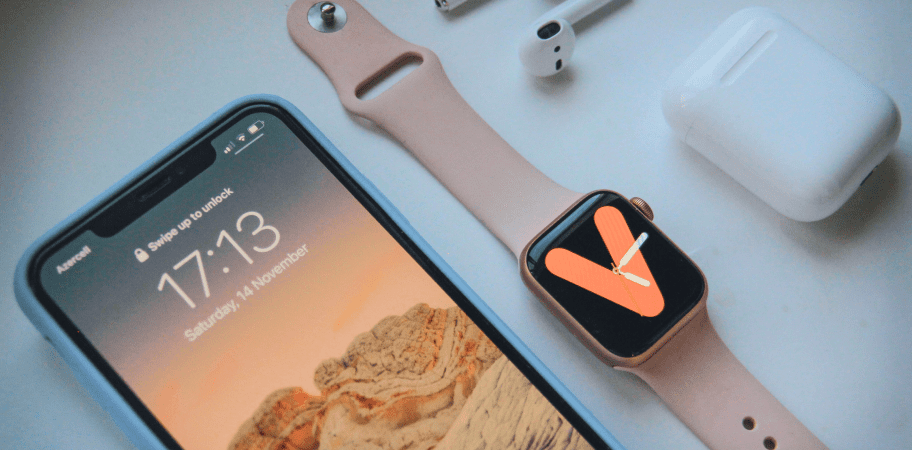
An iOS app is best for businesses that want to attract high-end and wealthy customers. The Apple environment is known for providing a top-notch user experience. This makes it a great choice for fields that value clean design, complete safety, and easy use. Businesses in banking, high-end shopping, and health care often choose iOS apps because the platform has a reputation for strong protection and security measures. The strict review process in the App Store makes apps even more trustworthy, which builds trust among app users.
iOS also works well for companies that want to make money by selling apps or letting users buy things inside apps since iOS users tend to spend more. Tech companies and creative services, which grow on new ideas, can also benefit from iOS development because it lets them try out new features and functions. The fact that iOS devices are all the same and follow the same standards makes development easier. This makes it perfect for businesses that want a clean and uniform brand image. To sum up, an iOS app is best for companies that care about security, user experience, and having a well-thought-out market plan.
Benefits of iOS Apps for businesses
Overall, iOS apps can offer superior user experience, enhanced credibility through the App Store, higher monetization potential, and a streamlined development process.
Premium User Experience
Offering iOS apps to companies is a way to guarantee a top-notch user experience. Apple’s dedication to great design means that companies can give their customers systems that look good, work well, and are easy to use. This focus on the user experience is especially helpful in fields where a clean look is important, like high-end services or luxury shopping.
Credibility through App Store Approval
The strict review process in the App Store gives iOS apps more respect. Businesses in banking, healthcare, or any other area that puts data security and safety first benefit from the App Store’s strict review process, which builds trust. This reputation helps users trust and believe in the app.
Higher Monetization Opportunities
It has been shown that iOS users are more likely to pay for good apps and in-app payments. Because iOS users like to spend money, it’s a good tool for companies that want to make money from their apps. Businesses can reach users who are more likely to buy digital goods and services by selling them directly in the app or through in-app transactions.
Streamlined Development Process
With only a few types and versions of the operating system, iOS devices work well together, which speeds up the app creation process. This lowers worries about device fragmentation and makes it easier for companies to make sure that users have the same experience on all iOS devices. The standard setting makes it easier to test, launch, and provide ongoing support for the app.
Because of all of these things, iOS is a smart choice for businesses that want to make high-quality apps for picky and wealthy users.
Cons of iOS Apps for Businesses
While iOS offers many benefits, businesses should consider drawbacks like limited customization, longer app review times, higher development costs, and a closed ecosystem when deciding on the platform for their applications.
Limited Customization Options
One big problem with iOS apps for businesses is that they can’t be customized as much as Android apps can. Apple’s strict design rules and limitations can make it harder for businesses to make app screens that are completely custom and one-of-a-kind. This limitation could be a problem in fields where identity and a unique user experience are very important.
Longer App Review Process
The App Store’s strict review process gives apps greater credibility, but it could also mean that you have to wait longer for your app to be approved. This wait can make it harder for businesses to quickly install or update their systems, which can make it harder for them to adjust quickly to changes in the market or customer needs.
Higher Development Costs
Because of things like the requirement for specific software (Xcode), expert Swift or Objective-C writers, and strict adherence to Apple’s standards, making iOS apps tends to cost more than making Android apps. This could be hard for small businesses that are tight on money.
Closed Ecosystem
Even though the closed nature of the iOS environment is good for security, it can make it harder to use third-party products or services. This could be a problem for businesses that need to make a lot of changes or connect to tools that aren’t part of the Apple environment.
Benefits of Android Apps for Businesses
Android apps are good for companies because they can be used on a wide range of devices, they can be customized and flexible, they can be integrated with other apps easily, and they cost less to make. Because of these things, Android is a smart choice for businesses that want to make their app more accessible, flexible, and cost-effective.
Device Diversity and Market Reach
One of the best things about Android apps for companies is that they can be used on a lot of different platforms. Android has a lot of different devices with different prices and functions to suit a lot of different needs. Businesses can reach more people this way, even people in developing areas who might not have access to high-end devices.
Customization and Flexibility
Android gives developers of apps more freedom and customization choices. Businesses can make apps that fit the look and feel of their brand and the tastes of their users, making the experience more unique. This is especially helpful in fields where having a unique and branded user experience is important for the app’s growth.
Open Ecosystem for Integration
The open environment of Android makes it easy to connect third-party devices and services. Businesses can use a lot of different APIs to connect their apps to different technologies and tools. This encourages new ideas and gives the app more features.
Lower Development Costs
Most of the time, making apps for Android costs less than making apps for iOS. Android is open source, which means that developers can use a wide range of tools and computer languages. This makes it easier for businesses on a budget to use. This low cost can be especially helpful for new businesses and small ones.
Cons of Android Apps for Businesses
Of course, fragmentation, security, longer development times, and potential monetization are big concerns for Android apps. When a business wants to choose the best site for making an app, it should compare these factors to the benefits.
Fragmentation Challenges
One big problem with making apps for Android is that the operating system is fragmented into many different devices and versions. This variety makes it hard for developers to make sure that users have the same experience and that their apps work with a lot of different screen sizes, pixels, and hardware.
Security Concerns
The open structure of Android makes it more flexible, but it also raises security concerns. Because the app is open, malware and other security risks can get to it more easily than on iOS. It might be hard for businesses, especially those that deal with private data, to make sure that their Android apps are fully secure.
Longer Development Time
Because Android works on so many devices and models, it takes longer to make apps for them. When compared to the more normal iOS development process, the time it takes to bring an app to market might be longer because developers have to test and optimize apps for a wider range of setups.
Monetization Challenges
Even though Android has more users around the world, it can be harder to make money from them because they make less on average per person than iOS users. Businesses that depend on app sales or in-app purchases might have a hard time making the same amount of money on Android. Of course, this is a rather statistical point of view. The opposite may be true in many cases as well.
How do you figure out what’s best for your business?
Choosing between Android app development vs iOS app development requires a careful evaluation of factors like target audience, budget, development time, and integration. If you fully understand these factors, you will be able to choose the platform that fits your business goals and users’ needs the best.
Here are some factors to consider:
- Target Audience and Market Share. Look at who your goal audience is and what they like. Think about how much of the market each site has in the groups you want to reach. If you want to reach people all over the world, Android’s larger market share might help.
- Budget and Development Costs. Take a look at the money in your account. Because Android is open source, the beginning costs of making an app for it are often cheap. It might cost more to make apps for iOS, but in places where people are willing to pay for them, it can bring in more money.
- App Complexity and Features. Think about how hard your app is to use and what functions it has. Android’s flexibility could be helpful if it needs to be changed a lot. The uniform environment on iOS makes development and testing easier if your app needs advanced features and a smooth user experience.
- Ecosystem Integration. Consider integration. Businesses in the Apple environment can benefit from iOS because it works well with other Apple products. There are more ways to connect Android to other apps and services because it is open.
Why is it important to make apps on two platforms?
So, now, you’re closer to making the final decision, but you may still have some doubts. However, there’s one thing that can ease your concerns: You, like all reputable businesses, don’t have to choose between the two platforms. You can build apps for Android and iOS.
Successful businesses do that for several strong reasons:
Maximizing Audience Reach
When companies use both Android and iOS, they can reach as many people as possible. Each platform has its own set of users, and having two of them helps you reach more customers.
Inclusive User Experience
Catering to both Android and iOS users shows that you care about everyone by giving people a smooth experience no matter what device they prefer. This leads to a good user experience and happiness.
Market Competitiveness
Businesses need to be flexible to survive in the app market, which is very competitive. Supporting both platforms makes you more competitive by letting you get a bigger share of the market and stay ahead of companies that only support one platform.
Adaptability to User Preferences
A lot of the time, users are very loyal to certain platforms. Giving users the option to download apps on both Android and iOS shows that you understand and respect their different tastes. This helps companies stay flexible as the market changes.
Unified Brand Presence
A plan that uses both platforms helps keep your brand consistent across all mobile devices. When design and the user experience are consistent, it helps the business stand out and keeps customers interested.
Business insights from TRIARE experts
Now that you’ve made the decision, the next step is starting the app development process.
Over the years, TRIARE’s experts have gained invaluable business insights into the realm of dual-platform app development. With a profound understanding of the difference between iOS and Android ecosystems, they guide businesses in crafting tailored strategies. We cover critical areas such as audience analysis and market competitiveness, emphasizing the importance of a dual-platform presence.
We’ve helped many clients navigate the challenges of fragmentation, security concerns, and development costs, empowering businesses to make informed decisions that maximize reach and enhance user experiences across diverse mobile platforms.
Conclusion
So, there you have it. This is a comprehensive guide to the differences between Android and iOS for businesses. By targeting both platforms, you can make sure that practically everyone with a smartphone will be within your reach.
All you need is just to develop a quality app that can cut through the noise in today’s market. We at TRIARE can help you as a trusted partner with a long, successful track record in Android and iOS app development. All you need is to just get in touch.