ROI of Investing in Professional UX Design Services

In this article, we take a deep dive into how professional UX design services boost ROI and other key business metrics. You’ll learn what a well-crafted UX design means for business profitability and how to measure its impact on conversions.
What is the ROI of website UX design?
The ROI of website UX design means a return on investment put into creating the website’s convenience, structure, and visual logic. In other words, when you create UX design for your website, you spend a specific amount of money for the best result that you expect to see and what meets your target audience’s needs. When you use modern tech, the right methods, and a skilled team behind it, your website starts working for you. Your investments return to you through key indicators – conversions, sales, customer retention, and repeat purchases.
It’s a clear sign that you did everything right; users don’t feel frustrated using your website, and convert from just browsers into real buyers.
Why is it important for business?
For business, it has great importance due to the financial and reputation sides. From a financial standpoint, the rule is pretty clear for any business: “If your investment doesn’t return to you, it was an expense, not an investment”. That’s why, for future business prosperity and growth, all the money invested into web development or in UX design must return to you and generate additional income. That’s what sets truly successful businesses apart from those that invest in ideas but struggle to translate them into real outcomes.
The second factor – reputation. Actually, UX design services cover much more than the pretty interface and info block that funny pops up while you scroll the page. Behind it stands a great work on business aims analysis, target audience research, and finding the latest tools and approaches to UX design. Together, they form a general message that you want to translate to people who will use it. They affect the decision to browse your website more, or whether to go elsewhere because they aren’t actually impressed by what they see. So, that’s the core UX design goal – impress them and genuinely provide through the website, just straight ahead to the target action. In a nutshell, UX design affects the user’s perception and impression of you and then the ROI they form when ordering your services or buying your goods.
When is the best time to invest in UX design?
At the very start of the website creation. When you put as much effort as you can at the first stage, there are more chances to get more benefits then. And it led to minimal design changes after the website went live. Of course, it may be costly, but at first, you should remember that it’s not an investment primarily in the website. You invest in your long-term success, effective operations, and a reputation you can proudly stand behind.
The second option for the best time to invest in UX design is when things take a very bad turn. When there are no conversions, analytics show poor clicks, website visits, or very small time spent there. It means that something goes wrong, and you should start thinking about improvements and investing in them. The understanding of this doesn’t come in one day. It’s a result of weekly and monthly reports that measure the ROI of UX, highlight the pain points, and directly point out which ones cause such results. If users are struggling with website navigation or the design isn’t working well, now is the perfect time to take action.

How to calculate ROI in UX design?
Calculating ROI in UX design may be challenging. Because there are a lot of factors that also affect the ROI – marketing activities, ad campaigns, or other changes. To see exactly how UX design impacts this process, it’s better to stop other activities that affect metrics and conduct a “control” period before/after the changes. Let’s say, a few months to see how renowned UX design affects users’ interaction and engagement. Collect data from both sources – finance numbers and the real customer experience on the website. An effective tool that will help you identify this faster – heatmaps that are available in SEO or analytics tools.
To measure the ROI of UX, businesses use the following formula:
ROI = (Profit after changes – UX cost) / UX cost × 100%
Here’s what positive outcomes from UX investment look like:
- +35–200% increase in conversions after redesigning the landing page or catalog;
- –25–50% decrease in bounce rate due to improved structure;
- +15–80% to the average check due to improved product cards;
- –20–60% fewer support requests if the site becomes understandable;
- up to 400% ROI during the first year (data taken from Nielsen Norman Group).

Key UX design features that maximize ROI
To boost ROI, you must focus on user convenience, page load speed, and a clear message that directly impacts key business metrics. Namely, conversions, sales, average check, and support costs. Here’s the full list we recommend keeping in mind.
- Intuitive navigation: Logical menu structure, clear user paths. It reduces bounce rate, increases conversion, saves users’ time, and boosts sales.
- Optimized CTAs (Call-to-Action): Clear, noticeable action buttons with catchy and easy-to-read text. They provide a direct increase in leads and purchases. A/B tests show a +20–40% increase in conversions after improving the CTA.
- Fast page loading: Light graphics, code optimization, and caching power up this feature. Every extra second of loading time results in a 7–11% loss in conversion (Google data). This has a direct impact on ROI as well.
- Mobile responsiveness: The website or app should work seamlessly on all devices. Implementing them successfully results in more traffic, transactions, and fewer abandonments.
- Personalization and relevant content: Work on precise product recommendations, dynamic offers, and localization. It increases the average check up to 15-30% and improves user retention on the site.
- Clear forms and onboarding: Don’t overload this section and put a few fields, helpful hints, and a progress bar. Their implementation has resulted in a +30-50% increase in completed applications or registrations.
Impact professional UX on user behavior and website conversion
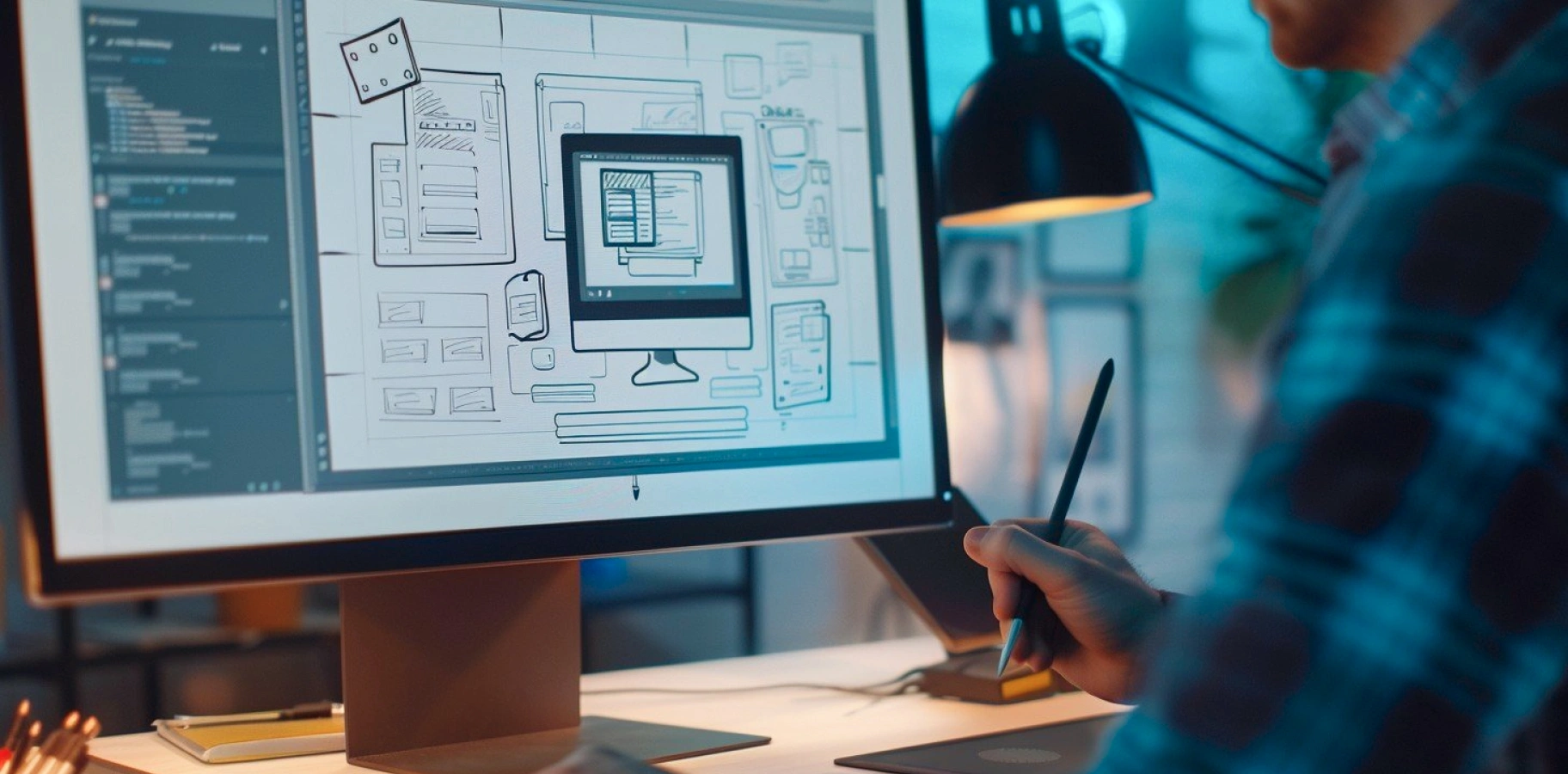
Investing in professional UX design services is like multiplying your success a thousand times. You get a team of experienced designers who do the groundwork while analyzing your business goals and project requirements to build the design strategy and workflow around them. Their task is not to create a design according to your needs and give you the final thing. They put their ideas, approaches, business specifics, deep analysis, and many more vital things into your website UX design. So you don’t need to change it after release, and be confident that your ROI will show up in the next few months.
Professional UX basically shapes the right user behavior and emotional connection. Users quickly find what they need, see clearly what to do next, trust the brand through social proof, and take the desired actions more often. As a result, this directly increases both conversion and business profits.
How to reduce marketing costs with effective UX design?
Expenses on marketing are the way to attract people’s attention to what you offer on your website. You run ad campaigns, collaborate with influencers, build your brand on social media, and do other marketing things. It’s like opening the door in the shop and asking people to come in because you have something that they need right now. Effective UX design, instead, serves as an eye-catching shop window that people see and want to come in themselves.
This is how it reduces marketing costs. You can use just one marketing channel to attract people’s attention, while a well-thought-out design will attract people through the core effective design elements. Like, bright graphics, simple navigation, smooth engagement, and a clear message that naturally draws people in without additional promotion.
As a result, you get the following outcomes:
- Fewer user losses.
- Viral effect and more recommendations.
- Increased conversion without increasing advertising.

The UX impact on customer retention and lifetime value
Thanks to professional UX, users more often stay loyal to the brand because interaction with the product is comfortable, understandable, and predictable. They are more likely to return and recommend the product to their friends when they find the right info quickly, buy with ease, and receive the expected results.
From a business perspective, this means that investments in UX directly affect LTV (lifetime value). There’s a big increase in average purchase amount, frequency, and duration of interactions with the product. In other words, UX creates long-term economic benefits for businesses through loyal and satisfied users.
How to measure business metrics improved by UX design?
To see the real impact of UX design on key business metrics, you need to connect UX improvements to measurable outcomes. Note that it’s highly important to track metrics before and after UX changes to see the difference in dynamics. Also, try to measure the influence of design independently, without the other factors affecting it.
Additionally, combine user analytics with business metrics and conduct A/B testing or cohort analysis for a wider database. This will help you see the big picture and pinpoint the factors that improved thanks to the design change.
To do this, track the following metrics:
- Conversion. That is, how many users do target actions (purchases, registrations, downloads) before and after UX optimizations.
- Customer retention and churn. Shows the percentage of repeat users or customers over a certain period of time.
- Average order value/lifetime value of a customer. Analyze whether users spend more per transaction or over the entire interaction after UX optimization.
- User engagement. Namely, session duration, number of pages viewed, and depth of interaction with the content.
Case studies of UX ROI
Even big companies make changes to their product design over time. That doesn’t mean they create bad design before. This highlights more how they strive to improve their business effectiveness, how they hear their audience feedback, and how deeply they analyse key metrics, which led to the further redesign.
Here are a few well-known examples of how little changes can bring big benefits.
La Quinta (hotel group) implemented UX optimization for online booking on its website. After the website redesign, there was a noticeable increase in revenue through the website. This shift was confirmed by analyzing the key metrics pre- and post-update.
Samsung Experience Store redesigned its website product pages. They simplified their design, changed the information structure, added clear and understandable CTAs, and made navigation easier. As a result, user behavior improved significantly, which increased conversion and average check size.
Shabo (online store) redesigned the UX/UI of commercial and “brand” pages, improving the clarity of information and user-friendliness. After the redesign, user trust increased, which translated into more frequent purchases, larger checks, and more frequent website visits.
Why inexpensive UX design won’t yield a return on investment
Inexpensive UX design means creating a product that solves only superficial visual tasks, rather than real user and business problems. Cheap approaches usually skip research, neglect audience behavior analysis, and rely only on templates. Without testing, deep analytics, and iterations, such a design becomes an expense rather than an investment. It cannot measurably improve the user journey, reduce churn, or increase revenue.
Conclusion
Professional UX design adds more to your product effectiveness and business success altogether. It helps solve business problems, like when a website has a lot of traffic but low conversion rates or a high bounce rate. A redesign that takes UX approaches into account can change the situation significantly.
Moreover, thoughtfully crafted UX saves money not only by increasing sales but also by reducing costs. Fewer calls to support and less time spent training users add to the cost-cutting. In other words, cost savings are also a measurable component of ROI.
If you’re searching for a team that thoughtfully crafts modern, research-driven designs, TRIARE’s UI/UX experts are ready to support your goals. Contact us, and we’ll help you create a design that performs, grows your metrics, and pays off through professional practices and the right tech.