Product Design Process Explained: The 2025 Guide


In 2025, great product design is key to standing out. Want to know how to turn your idea into a user-friendly product? This guide breaks down the steps to create something that not only works but wows your customers. Let’s dive into the roadmap to success!
What is product design in 2025?
Product design in 2025 isn’t just about making things look pretty, it’s a full-on process aimed at creating digital products that are user-friendly, efficient, cover business goals, and just plain useful. It’s a blend of convenience, cool visuals, and cutting-edge technology. Sure, design is crucial, but it’s just one piece of the puzzle. Knowing your product’s purpose, understanding business needs, and spotting trends are what make it a perfect business tool.
Creating a digital product means juggling design, analytics, and development. It’s not just drawing interfaces or picking colors. Experts dive into user research using AI, figuring out exactly what people want. They make sure everything’s accessible (inclusivity matters!) and polish those tiny interactions that make using the product feel smooth. And, of course, they build designs that look great on any screen – phone, tablet, or desktop. But the core approach here is a mobile-first design in mind since it makes sense for modern users.
Why does product design matter?
Because it shapes how users interact with your product and how easy and efficient it is to use. First off, a well-thought-out design helps users get things done quickly and without frustration. Picture a case when you trying to find something on a website or app. If the navigation is confusing, it can waste precious minutes, and that’s super annoying. A good design makes sure users don’t face these problems. That’s why it matters.
A product that’s easy to use and exceeds expectations right away starts to gain trust. The more comfortable the customers feel, the more likely they are to come back. That’s trust in your brand and your product as well. Also, a clear, user-friendly design can boost sales. However, a bad design can turn people away, even if the product is really good.
In today’s world, where products and apps are everywhere, design can be the deciding factor on whether users choose your product over a competitor’s. Every niche has competition, and everyone’s looking to stand out. But great design (both functional and aesthetic) can make your app the one people want to use. After all, we’re all human and tend to judge with our eyes first before diving into the details.
Basically, it’s a mix of factors that affect how users feel about your product and how emotionally connected they become to it. Taking all these elements into account is how you create a product that not only looks good but actually works as a helpful tool for your users.
What do you need to know before the product design process in 2025?
We’ve put together a list of key points that are crucial to consider before diving into a product design and development project. Why is it important to think about everything beforehand? Because the more detailed your planning is, and the more factors you take into account, the closer the result will be to your vision.
Target audience understanding
Before starting, it’s all-important to have a clear understanding of who will use your product. What do they need? What problems do they want to solve? To answer these questions, experts carry out research, surveys, and product testing with real users.
Current technologies
In 2025, a product’s design should integrate new tech like AI, augmented reality (AR), and machine learning. For example, chatbots or personalized recommendations can greatly improve the user experience. These are things users have already come to expect in today’s digital world.
Mobility & cross-platform
We’ll say it again – most users interact with digital products via their smartphones today. That’s why, in 2025, a mobile-first approach (starting with the mobile version of the product first) is a must. Your design should work well across different devices and screen sizes.
Inclusivity & accessibility
This involves using readable fonts, clear color schemes, text descriptions for images, and ensuring the interface can scale for various needs. Making your product accessible not only shows you care about all your users, but it also helps you reach a broader audience.
Design trends
Let’s stop thinking of trends as something unnecessary, but so popular and talked about everywhere in the tech community. These are must-haves based on the needs of modern users. There are a lot of them today, both in terms of design and development, but the main thing here is to choose exactly what is relevant to you. Modern trends include a minimalist approach, the use of bright colors and interactive animations, as well as the personalization of interfaces for each user.
Security & privacy
With increasing cybersecurity risks, ensuring that your product design includes solid data protection measures is crucial. This could include multi-layered authentication, data encryption, and other features that safeguard personal information. Security should be a top priority.
Communication & collaboration with other departments
The workflow includes collaboration with developers, marketers, and other teams to ensure the product meets business goals, technical requirements, and is well-designed. The process is complex, and input from all departments makes a huge difference. Yes, it’s not only designers’ work here.
Taking all these factors into consideration will help you create a product that’s aesthetically pleasing, fast, functional, and truly valuable to your audience.

Product design steps 2025
Here’s how the product design process usually goes. Of course, when discussing it with your tech partner, you can tweak the format in whatever way you need to suit your needs. But for the best results, it’s worth following this step-by-step approach.
|
Step |
Description |
| User Research | It all starts by getting to know the users: who they are, what they need, and what problems they want to solve. This is typically done through surveys, analytics, and testing. |
| Requirements Analysis | We figure out the main business goals and list all the features needed to achieve them. This way, we make sure the product does what it should. |
| Creating First Prototypes | We build simple prototypes to map out the product’s structure and main features. It’s a way to test ideas without wasting time on full designs. |
| User Interface (UI) Design | Now it gets visual: choosing colors, fonts, icons, using brand elements, and layouts. We make it look good while staying true to the brand’s style. |
| UX Design | This is about making the product easy and enjoyable to use: clear navigation, smooth interactions, and an intuitive user journey. |
| Testing | Real people test the product so we can spot any problems and make sure it works. |
| Improvement | Based on feedback, we fixing what doesn’t work and enhancing what actually does. |
| Optimization for Different Platforms | We ensure the product looks and works great on any device – smartphones, tablets, or desktops. |
| Launch and Support | Once it’s out in the world, the work doesn’t stop. Regular updates and improvements keep the product fresh and functional. |
Follow these steps and you’ll definitely create a product that meets modern user expectations, delivering both convenience and efficiency.

How does good product design affect business processes in 2025?
High-quality product design in 2025 directly impacts business processes and profits. It boosts sales by making the user experience smooth and enjoyable. When customers easily navigate your site or app, they’re more likely to complete purchases.
It also cuts support costs. With an intuitive interface, users can solve issues themselves without contacting support, freeing up your team for more critical tasks. Moreover, it helps build trust in your brand, because people always remember a good experience while working with digital products, whatever it is.
Well-designed corporate systems speed up team workflows. No more wasting time training new hires or explaining a confusing interface. Employees can get productive right away. In CRMs, it means faster order management and many happy clients.
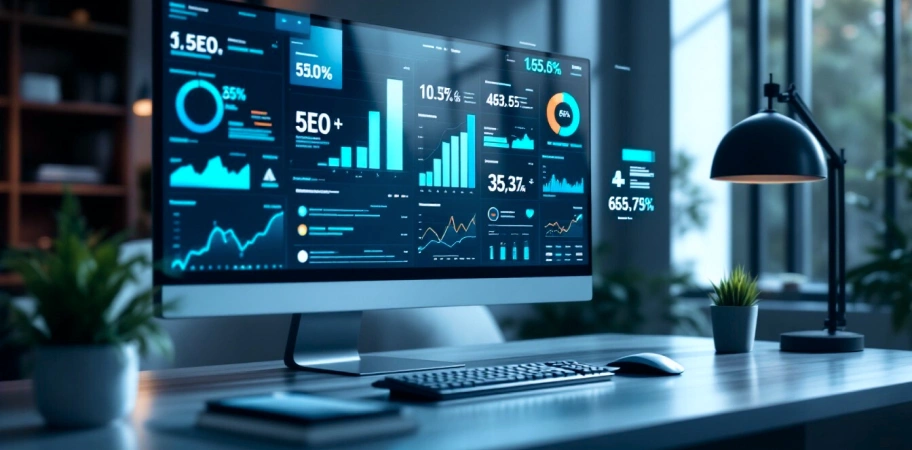
And let’s not forget decision-making. Clear data visualization in dashboards helps managers quickly monitor KPIs, sales, team performance, and customer satisfaction, making it easier to make smart decisions. So, now you feel what impact the good product design has.
How is product design related to web design?
Let’s just say that product and web design are related, but they have completely different tasks.
Product design is the bigger picture. It’s about creating a digital product using a complex approach: understanding what users need, what the business wants, and making sure the product is easy to use. For example, you need to build an online store. Product design thinks about how users will search for products, add them to the cart, and complete payments. It’s a step-by-step planning and researching how exactly people will use your online store and what you can add or improve to make their experience more comfy and remembering.
Web design is a part of this big process that focuses more on how the website looks and works. It covers colors, fonts, layout, and making sure it looks good on any device. If product design says, “Users want to quickly find discounts,” web design decides where to put the “Sale” section, how it looks, and how it works on a phone or tablet.
In short, product design is the strategy, and web design is how that strategy looks and feels.

What are the key product design points for a successful web project?
For a successful web project, a digital product design service should cover several important aspects:
Understanding your target audience: It’s a really essential point, so we want to draw your attention to it. It’s all about knowing who will use your product. Researching their needs and expectations before diving into the design process ensures you create something that actually benefits them.
Usability and ease of navigation: The user experience should be straightforward. A visitor should quickly understand where to find products or services, add them to the cart with ease, and check out in just a few clicks; all smoothly and without confusion.
Adaptability for different devices: Since smartphones are dominating online orders, the design should focus on being adaptable to all devices, especially phones. Like buttons that are easy to tap, and text that is clear and readable without having to zoom in.
Visual appeal and brand relevance: Everything should reflect the company’s style, from colors to fonts and overall aesthetics. For example, minimalistic, subtle colors work for a premium brand, while a bright, dynamic style suits a youthful startup. These are just examples, but the message is clear – find your style and keep it in every product you create.
Optimized loading speed: Don’t let design slow down your site. Overloading it with unnecessary elements might actually drive visitors away. Aim for fast loading times – ideally, under 3 seconds. Optimizing images and using lightweight animations can help achieve this.
Accessibility for all users: Design should be inclusive, considering features like text contrast, easy-to-read fonts, descriptions for images, and keyboard navigation support. This ensures everyone, including people with disabilities, can use your product easily.
Insights from our web designers on developing good product design
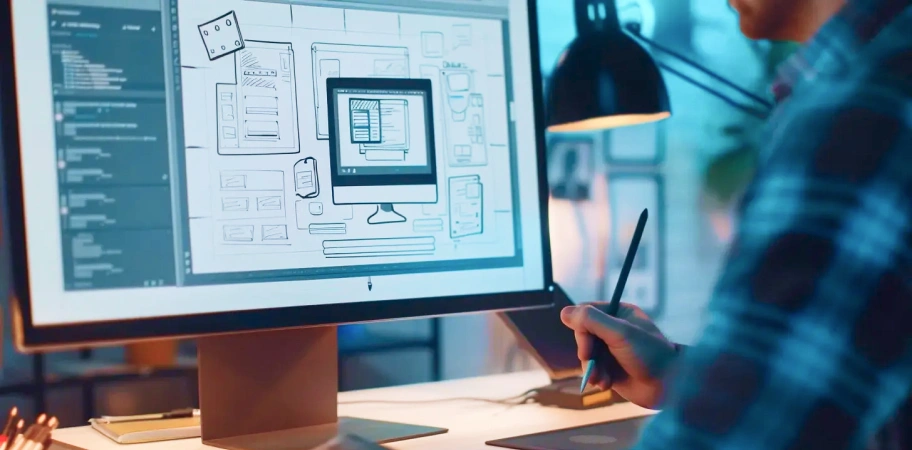
Our design always stressed attention to researching the customer and their needs. They are our clients as well because basically, we build websites for them. This way, we make a solid foundation that helps us decide on the features, layout, and what buttons should be on the website. The goal is to guide them toward taking action easily. After all, people come to your website to achieve something, not to figure out how to navigate it.
Also, our designers take a mobile-first approach. Since smartphones are the primary way most users browse the web today, we prioritize designing with mobile in mind. After this, the following workflow comes easily.
Another key point is site speed. We know it’s tempting to fill your website with all kinds of flashy elements, like a neon banner. But this can slow things down. We always focus on optimizing everything to ensure the site is fast and responsive. Like, click, and here it is.
Overall, digital product design is a multi-faceted process, but we concentrate on the essentials. These key areas form the strong foundation on which your website will thrive, benefiting both you and your customers.
Got an idea? Let’s turn it into a result-driven product. Our designers are here to help, guiding you every step of the way while using UX/UI design best practices. Together, we’ll create a valuable product for the market and a powerful business tool for you.
Conclusions
Creating a product that people will love and choose over others flooding the market is absolutely possible. But to make that happen, you need a clear step-by-step plan and a dedicated development team that will guide you through the process.
Our team deeply knows what is product design, because for over 10 years we have helped our clients benefit from result-driven product design solutions. Let’s start building the plan for your product – one that will be a joy to use and have your customers bookmarking it in their browsers.