How Bespoke Web Design Taps Into Psychology to Boost Conversions?

How to make a great first impression and leave visitors with a lasting good vibe when they visit your website? We’ve got the answer on how to turn your users into leads. In this article, you’ll dive into how smart design, a dash of psychology, and understanding user behavior can work together to make it happen. Ready to explore? Let’s get started!
What is bespoke web design?
It’s a website and app design made to fit the specific needs of a business or project. Everything – from colors and fonts to text, content placement, and graphics – is custom-built to match the business goals and represent the company’s identity.
What makes this approach stand out from ready-made solutions? Well, it’s the chance to create something truly unique, tailored to a specific audience and purpose. Ready-made templates just can’t deliver that. When everyone has the same website with the same look, customers end up with no real options and can get lost in a sea of identical websites.
Think about it: when you’re browsing, which site do you pick? The one that catches your eye with vibrant colors, cool graphics, and fresh design, right? You only get one shot to make a great first impression, and with bespoke web design, your chances of grabbing attention are way higher.
To pull off a great design, you’ll need a bespoke web design agency or hire web designer and a web developer. The designer focuses on creating a look that matches your vision, while the developer brings it to life on your website. They’ve got different tasks but share the same goal – delivering a custom design that not only boosts sales but also offers a smooth, enjoyable experience for your target audience.
How does bespoke web design relate to online shopper psychology?
It all comes down to this: how users behave online is heavily influenced by the design of the website. This concept isn’t just something that applies to websites, it’s something that we see in everyday life. The font size on ad banners, the text color, and the graphics around us all shape our decisions without us even realizing why we buy something. That’s proof of a successful design strategy at work. But let’s focus on websites.
The goal of bespoke web design isn’t to manipulate people’s minds, but to guide them toward taking action – whether that’s subscribing, making a purchase, or ordering a service. And there are countless ways to make that happen. Different colors impact how people perceive things, and the call-to-action text can also have a huge effect, so picking the right words is crucial. Where buttons and graphics are placed matters too. Plus, the user’s mood and emotional state play a big role. The idea is to help users navigate the website and, at the same time, get an emotional reaction from them.
Of course, predicting someone’s mood and designing a website that matches it perfectly isn’t always possible. But there are design rules, patterns of behavior, and techniques that get the design closer to what works best. The key is to create something that sparks an emotional response. And once you’ve made that connection, you’ve got a good shot at turning that user into a potential customer. That’s how it works.
How does custom web design use psychology to boost conversions?
As we mentioned earlier, bespoke web design plays a key role in influencing a user’s decision to buy, subscribe, place an order, and more. The core principles of design are pretty universal, grounded in how our brains naturally process and remember information. So, how does it all work? Let’s pull back the curtain on some design secrets.
Color choice: It’s no secret that colors affect our emotions. Blue, for example, brings a sense of stability, calm, and trust, while yellow is linked to happiness, energy, and optimism. This emotional response can steer a user’s decision-making, especially for those who connect better with visual elements.
Element placement: Where you place your call-to-action buttons can make a huge difference. Make sure these buttons are easy to spot and have clear, direct phrases like “Buy,” “Subscribe,” etc. If you make your buttons larger (about 20-30% bigger than other elements), users will likely click them more often. It’s all about guiding the user toward taking action.
Social proof: Reviews, ratings, and positive feedback from customers are incredibly persuasive. When new users see that others have had a positive experience, it builds trust. Let’s face it – most of us read reviews first to make sure we’re not taking a leap into the unknown.
Customization: Tailoring your website to your audience is essential. A website aimed at younger people might use bold colors and modern fonts, while a professional audience might appreciate a cleaner, minimalist look with more serious fonts. By customizing the design to your target audience, you boost the chances they’ll stick around and follow through with a purchase.
Simplification: A simple, intuitive design reduces friction and stress for users. Clear menus, product filters, and a straightforward checkout process help users find what they need quickly and easily, leading to more conversions. It’s all about removing obstacles and making their journey as smooth as possible.

What role does social proof play in conversion optimization?
Social proof plays a huge role because it’s the information users search for once they’ve selected a product or service. When they find confirmation that they can trust you, you’ll start to see conversions go up on your charts. But, of course, they’re probably asking questions like: “Should I buy from this vendor?” “Has anyone had issues with this product?” “How many positive reviews does it have?” and so on.
It’s totally natural – everyone wants to feel secure and confident in their choices, which is why they look for proof that others have had good experiences. And people tend to trust others’ experiences more than anything. So, what does social proof look like? We’ve all seen the familiar sections with reviews, ratings, recommendations, and stars popping up to show a company’s reliability and expertise.
But remember, different businesses need different types of social proof. For e-commerce, customer reviews and product ratings are a must-have and a big driver of conversions. If you’re providing services, expert reviews and testimonials from influential clients are key. For a blog or content platform, showing off your number of subscribers and the names of notable followers can do wonders for boosting your credibility and conversions as well.
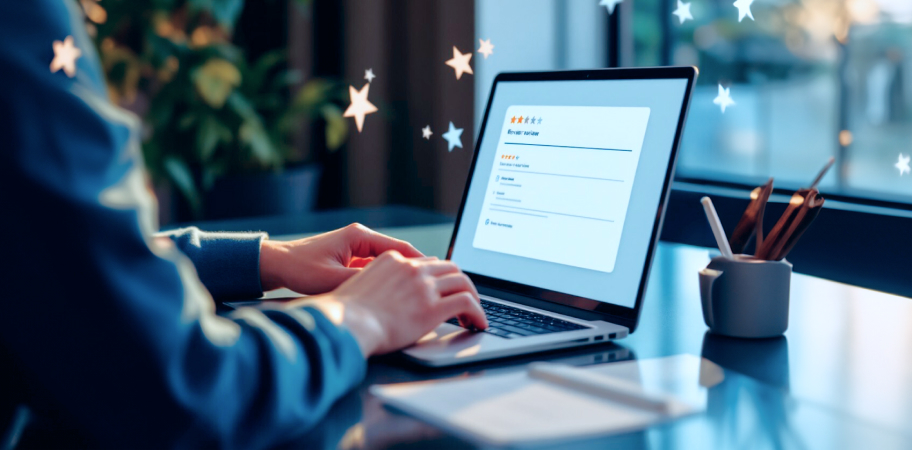
How do bespoke web designs incorporate social proof?
To add social proof to your website design, focus on how key elements like reviews, ratings, and success stories are presented. Why does this matter? Because social proof builds trust, motivates users to act, and drives conversions. Let’s dive into the details.
User reviews: These give off “real people, real experiences” vibes. When visitors see others enjoying your product or service, it instantly builds trust. Reviews come in all shapes and sizes – text, video, or even photo evidence showing results. Authenticity is key here.
Ratings and stars: A simple 5-star system works wonders. High ratings scream quality and grab attention, thanks to their eye-catching design. A quick glance can seal the deal for your users.
Numbers that impress: Flaunting how many people have already bought your product or signed up for your service is a game-changer. Something like “Over 1,000 happy customers” motivates users to act fast, because who doesn’t want to join the crowd?
Expert shoutouts: When influencers or industry pros vouch for your product, it’s pure gold. Their recommendations tap into subconscious trust. That’s why brands love putting stars or experts front and center, it makes the product feel tested and approved.
Success stories: Think of these as mini case studies. They show how your product helped someone achieve real results. This adds a personal touch and paints a picture of an ideal outcome for potential users. It’s like saying, “Look how great your life could be with this solution!”
How is the authority principle used in web design for trust-building?
The authority principle in web design is all about showing off your expertise, certifications, awards, influencer feedback, and real success stories to build trust. It’s like saying, “We’ve got the results to prove we can help you too.” When done right, users think, “This company knows what they’re doing, and if others have had great results, so will I.”
Your hard-earned credibility works for you, boosting trust and your reputation over time. But it’s not enough to just have it – you need to show it. Create a picture of success for your clients, share your experiences, and create that emotional connection. The more you demonstrate your value, the stronger that trust will grow. Use every tool you have (and a few we mentioned earlier) to make it happen.

How does color psychology affect user behavior on custom websites?
Colors on a website can totally shift how users perceive a brand and even push them to take action, all thanks to color psychology of web design. Designers use color principles to shape user responses, with different colors serving specific purposes on a page. For example, red is often used for CTA buttons because it sparks urgency and prompts action, while blue is favored for testimonials and awards, representing trust and reliability. This works because our brains are wired to respond to colors in certain ways.
Each color triggers specific subconscious reactions, so designers choose colors carefully based on the page’s goal and the emotions they want to evoke in the user. This is also tied to how we scan pages, not read them word by word, but glance over key information from left to right, jumping from one element to another. So, web designers use size and color to grab attention where it matters.
The colors also set the vibe of the entire website. Warm tones feel friendly and cozy, while cooler tones feel more professional and authoritative. And of course, the target audience, cultural context, and the website purpose all play a role in how the chosen colors will resonate with users.
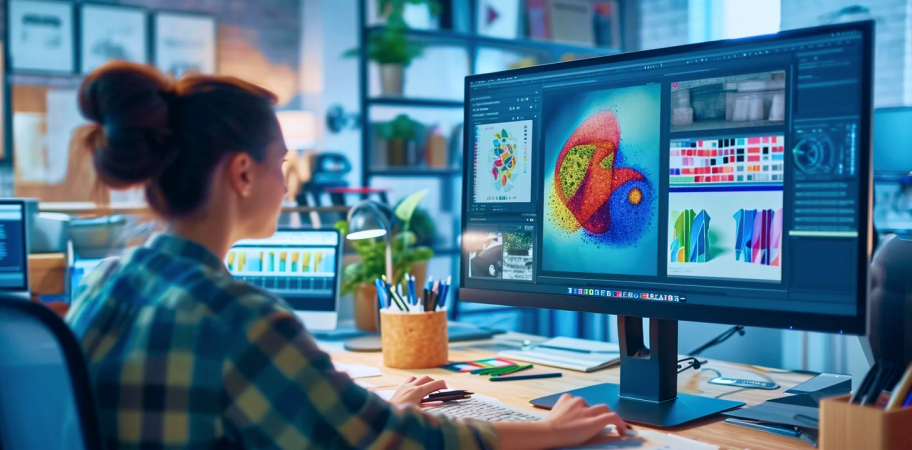
What psychological perks does white space offer in custom web design?
White space on a website helps create a clean, organized, and comfortable feel. Psychologically, it reduces that overwhelming feeling, making it easier for users to focus on what matters without distractions. It separates information blocks, making the content more structured and easier to process. For users, a website with plenty of white space feels more professional, which builds trust and encourages interaction.
It also makes text easier to read and adds to the overall aesthetic appeal. In simple terms, it gives the website a light and airy vibe. Plus, it helps highlight important elements, like CTA buttons. You’ve probably seen websites with tons of information but no clear direction on what to do next – this is where white space really shines.
What’s the psychology behind CTAs in custom web design?
Call-to-action (CTA) buttons are there to push users to take specific actions, like making a purchase, subscribing, or filling out a form. Psychologically, they work through a mix of colors, active verbs, and where they’re placed on the page – all designed to make users want to act.
The button color usually ranges from red to green or orange, which triggers a subconscious sense of urgency and positive emotions, motivating people to click. The text on the button matters too. Phrases like “Get a discount” or “Learn more” prompt an immediate response, tapping into the user’s desire for the product or service. It’s a small button, so it’s key to keep the message clear and direct.
The size and placement of the button matter as well. The more noticeable it is, the more likely users are to click on it. And if it’s placed in a logical spot, like after a product description, people will naturally want to take action. It shouldn’t be intrusive but should feel like the natural next step on the page, guiding the user toward the action you want them to take.
What should a business know about using psychology in web design?
First off, colors are crucial, they evoke certain emotions and associations in users. When chosen carefully, the right color palette can boost brand trust and encourage users to make a purchase or subscribe.
Second, think about the psychology of space. White space helps cut down on information overload, making the content easier to process and more organized. A well-arranged layout with enough breathing room on the page also improves navigation and keeps the user calm.
Next, the text and CTAs need to be crafted to get users to act right away. Using active verbs, creating urgency, and placing buttons strategically can seriously boost conversions as well.
Overall, when you get the psychology of design right, it doesn’t just look good, it helps users navigate the content easily and helps you achieve your business goals without overwhelming them.
How can psychology in web design boost conversions on a website?
Psychology in web design is your secret weapon for boosting conversions, and it works wonders when applied thoughtfully. Let’s break it down with a few practical examples:
CTAs That Convert: Clear and specific text on call-to-action buttons makes users more likely to act, like “Sign Up Now” or “Get 20% Off.” Combining this with carefully selected colors, such as red for urgency or green for reassurance, amplifies the impact and prompts user engagement.
The Power of Social Proof: Testimonials aren’t just fluff; they’re trust builders. A review like “This app boosted my sales by 50%” helps users envision their own success. Knowing others had great results removes hesitation.
Strategic Layouts: Designers know we scan pages in patterns, like focusing on the top, left, or center areas. Placing CTAs or key messages there naturally draws attention and boosts clicks.
Pop of Contrast: Contrast isn’t just for aesthetics; it’s about making important elements like buttons or offers stand out. A vivid button against a neutral background? It’s like a magnet for user attention.
Highlighting Top Choices: Ever notice labels like “Best Seller” or “Most Popular”? They guide users toward what others already love, giving them the confidence to choose the same.
Conclusions
Bespoke web design isn’t just about making things look nice, it’s a mix of web design trends, principles, behavioral insights, and a touch of psychology. Get it right, and your website transforms into more than a sales platform. It becomes a space where you sell great products, deliver top-notch services, and create a memorable user experience.
At TRIARE, we’ve been there, have modern website design examples, and we’re ready to do it for you. If you’re aiming for a website with a standout design that truly works, we’ll be the reliable partner you can rely on.